Home / Applications
Water samples of very different clarity
Screening water and extracts from the field, where clarity varies from sample to sample and results feed regulatory or monitoring reports.

01 — The challenge
Example field
02 — Workflow
From sample to result
- 01
Collect
Samples arrive with field IDs that are carried into the sequence.
- 02
Condition
Filtration or dilution follows the documented method.
- 03
Measure
Absorbance is measured at defined wavelengths or as a full spectrum.
- 04
Document
Results are linked to sample IDs and exported for reporting.
03 — What to consider
Photometric range for turbid samples Throughput during sampling campaigns Sample ID handling from field to report
04 — Relevant instruments4 products
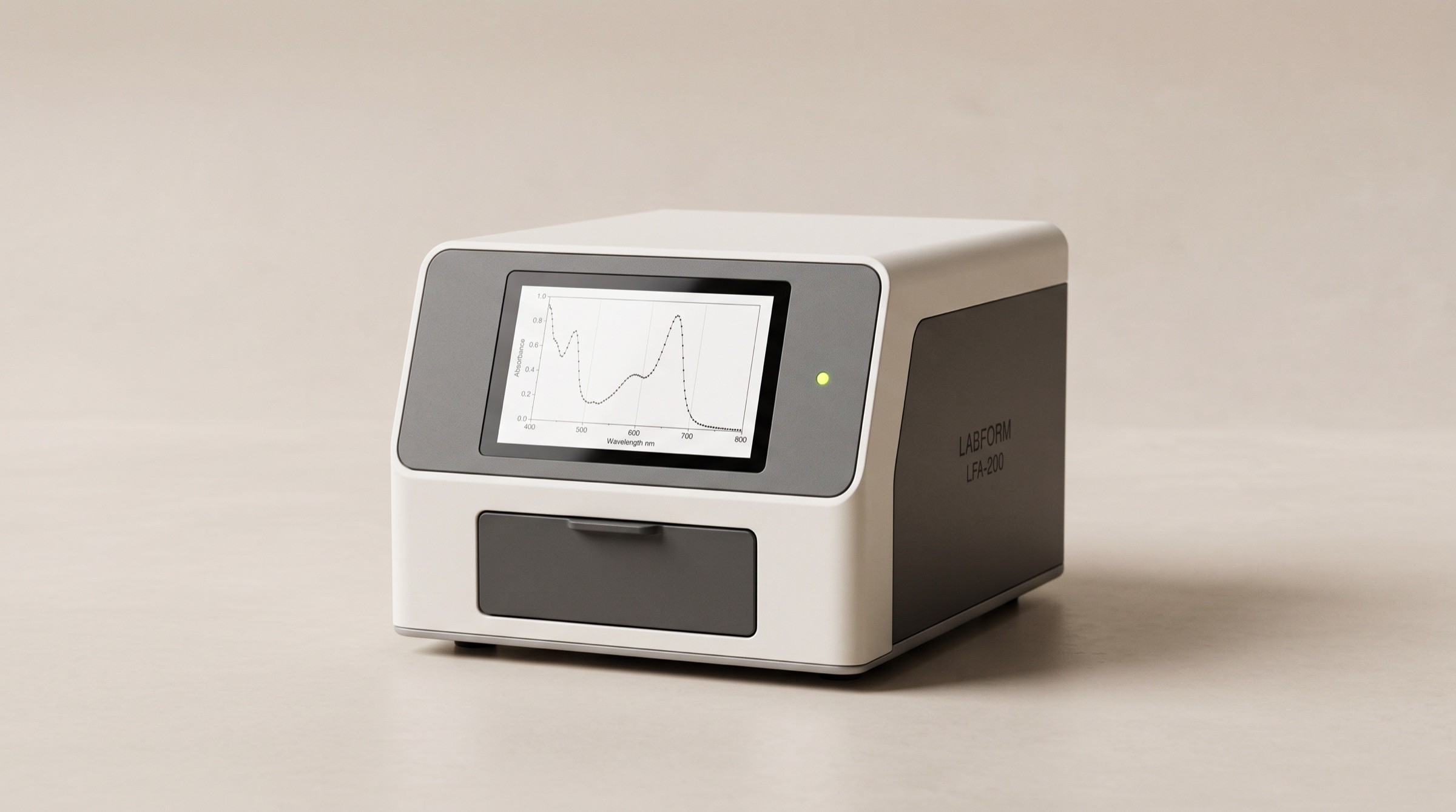 Optical analysisLFA-200Optical AnalyzerBenchtop UV-Vis analysis with a 12-position drawer, for labs that measure all day.Spectral range190–1100 nmRepeatability±0.05 nmSample positions12
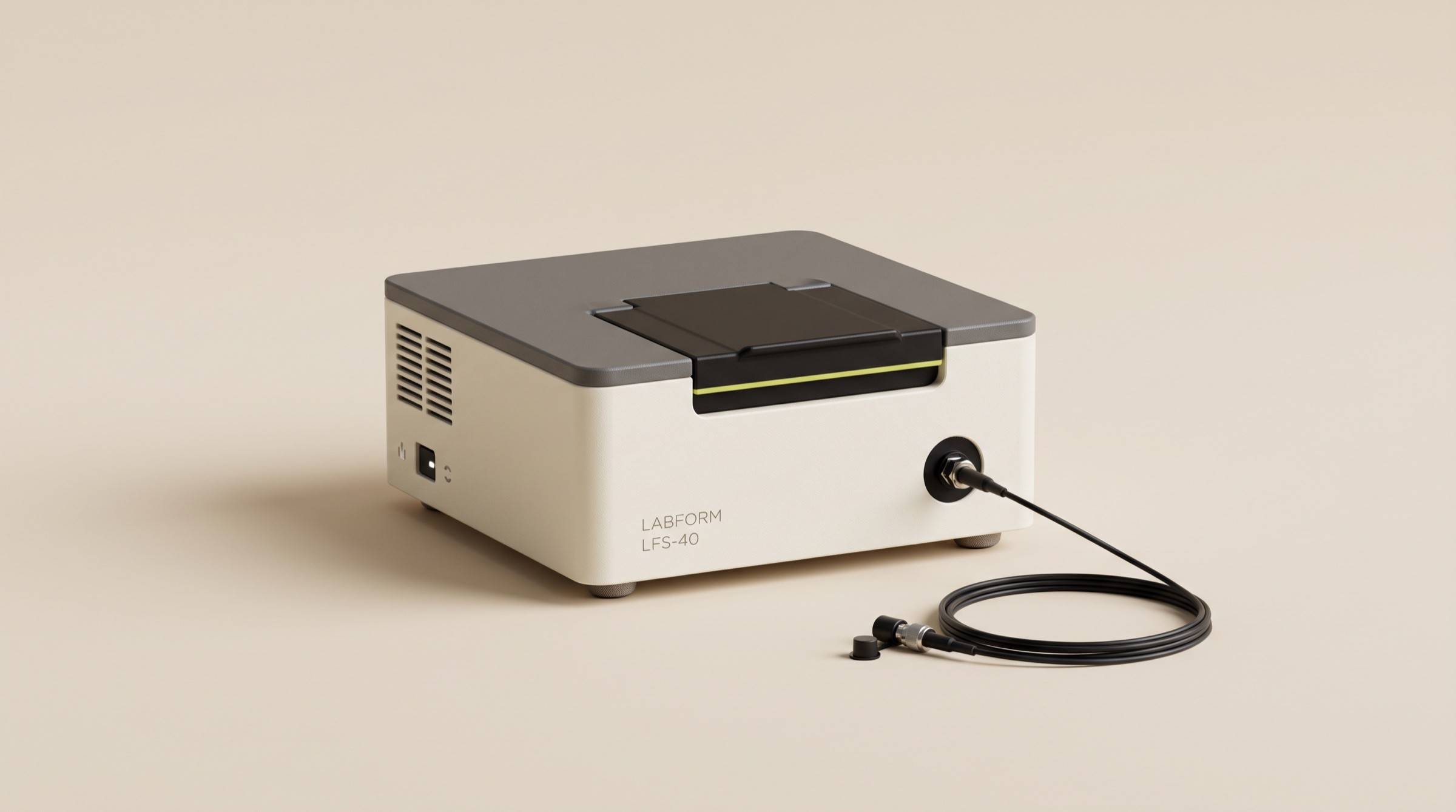 SpectroscopyLFS-40Laboratory SpectrometerA compact VIS-NIR spectrometer for the bench, the fiber probe or the test rig.Spectral range350–1000 nmResolution1.5 nmMass1.4 kg
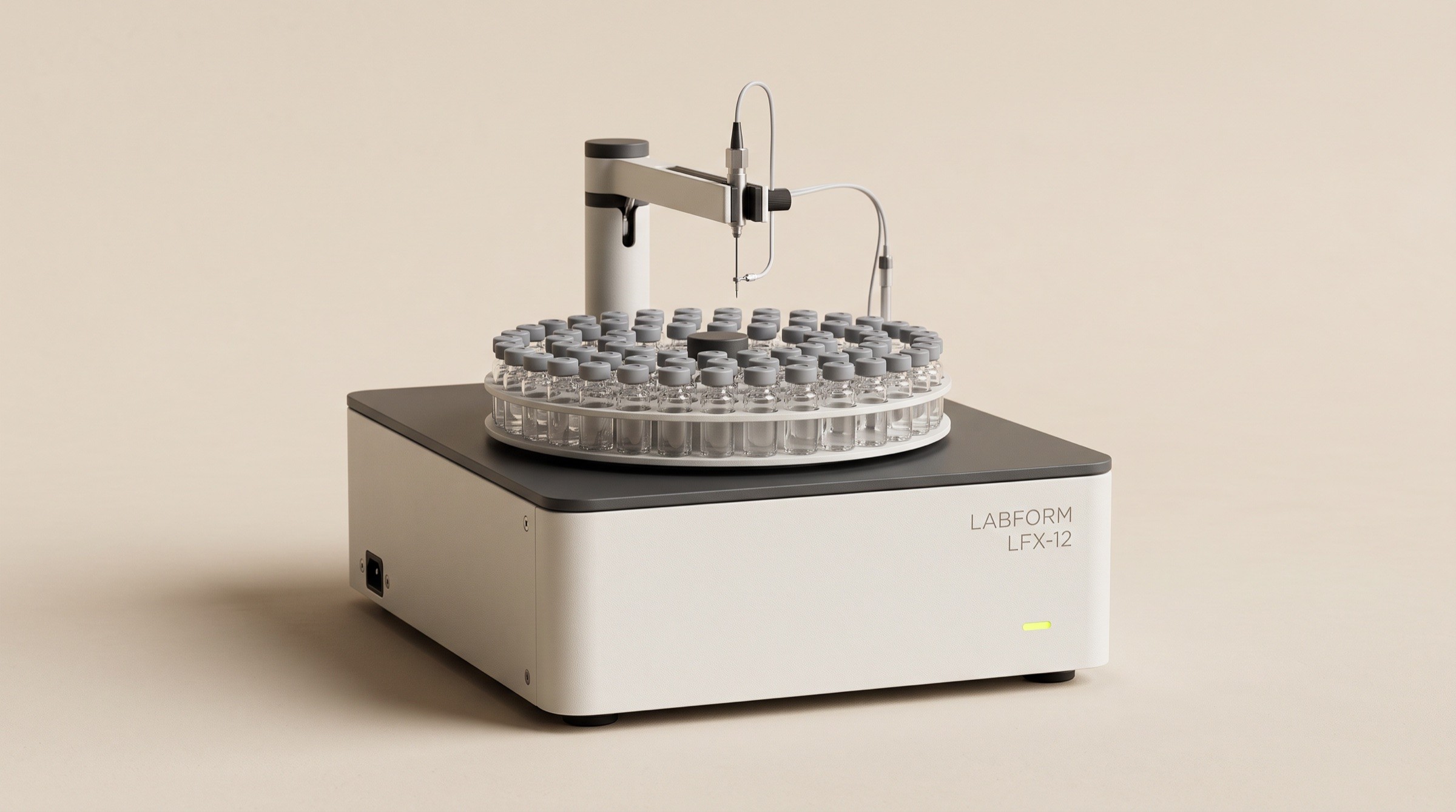 AccessoryLFX-12AutosamplerUnattended runs of up to 48 vials for the LFA-200.Capacity48 vialsVial size2 mLForLFA-200
 AccessoryLFX-FPFiber Probe KitDip and reflection probes for the LFS-40.Probes2ConnectorSMA 905


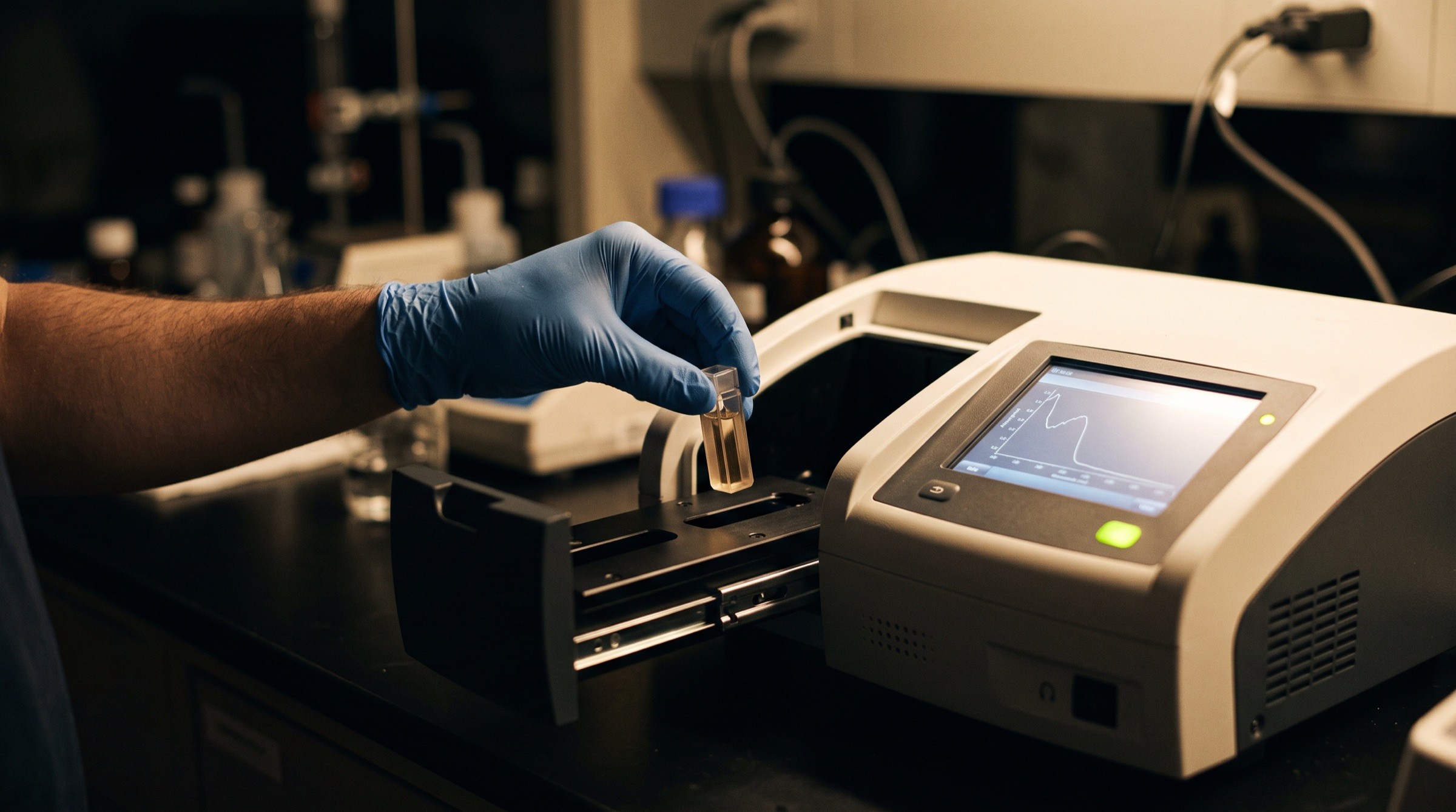
A demonstration with your own samples is the fastest way to know whether an instrument fits your workflow.